The Future Needs
a 4th R
Preventing plastic pollution through smarter material selection and product design
Reduce. Reuse. Recycle. Each matters. Now it's time to add a complementary strategy: Replace

Every day we wait, we make more of the problem
A straw may be used for minutes while its conventional plastic remains for generations. But persistence is not just a single-use problem. Smarter material choices can prevent persistent pollution at the source.
Understanding Materials
Plastic is more products than you think
Conventional plastics generally persist, whether made from fossil or renewable feedstocks. Biodegradable plastics can break down through microbial activity under suitable conditions; some require industrial composting. The finished formulation and the environment matter.
Beyond packaging, plastics appear in fibers, coatings, adhesives, and many everyday products. The goal is a finished product without persistent microplastic-forming or harmful components, including its pigments, coatings, adhesives, and blends.
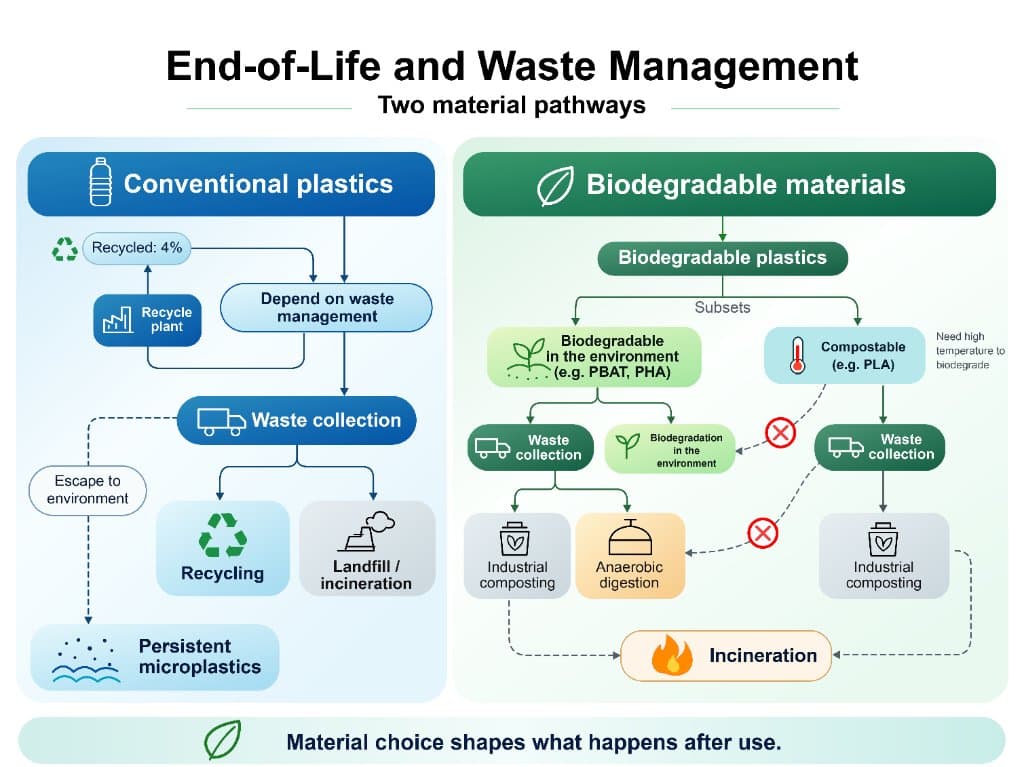
Replacement starts at product design
Material developers, compounders, manufacturers, and brands must work together to scale better products. Standards, investment, procurement, and end-of-life systems can help bring them into use
Value Chain Perspective: Restaurant oil becomes mulch film. The film ends its life in the soil.
Oil consolidator
Used cooking oil and other vegetable oils
PHA producer
Oil becomes PHA pellets
Film converter
Pellets become mulch film
Farmer
Film is laid then ploughed in. No lift, collect or haul-away.
Soil
Film biodegrades and mineralises in soil
Oil consolidator
Used cooking oil and other vegetable oils
PHA producer
Oil becomes PHA pellets
Film converter
Pellets become mulch film
Farmer
Film is laid then ploughed in. No lift, collect or haul-away.
Soil
Film biodegrades and mineralises in soil
The right material for the right job
Not every plastic should be replaced. Smart applications match product performance and useful life with realistic end-of-life conditions
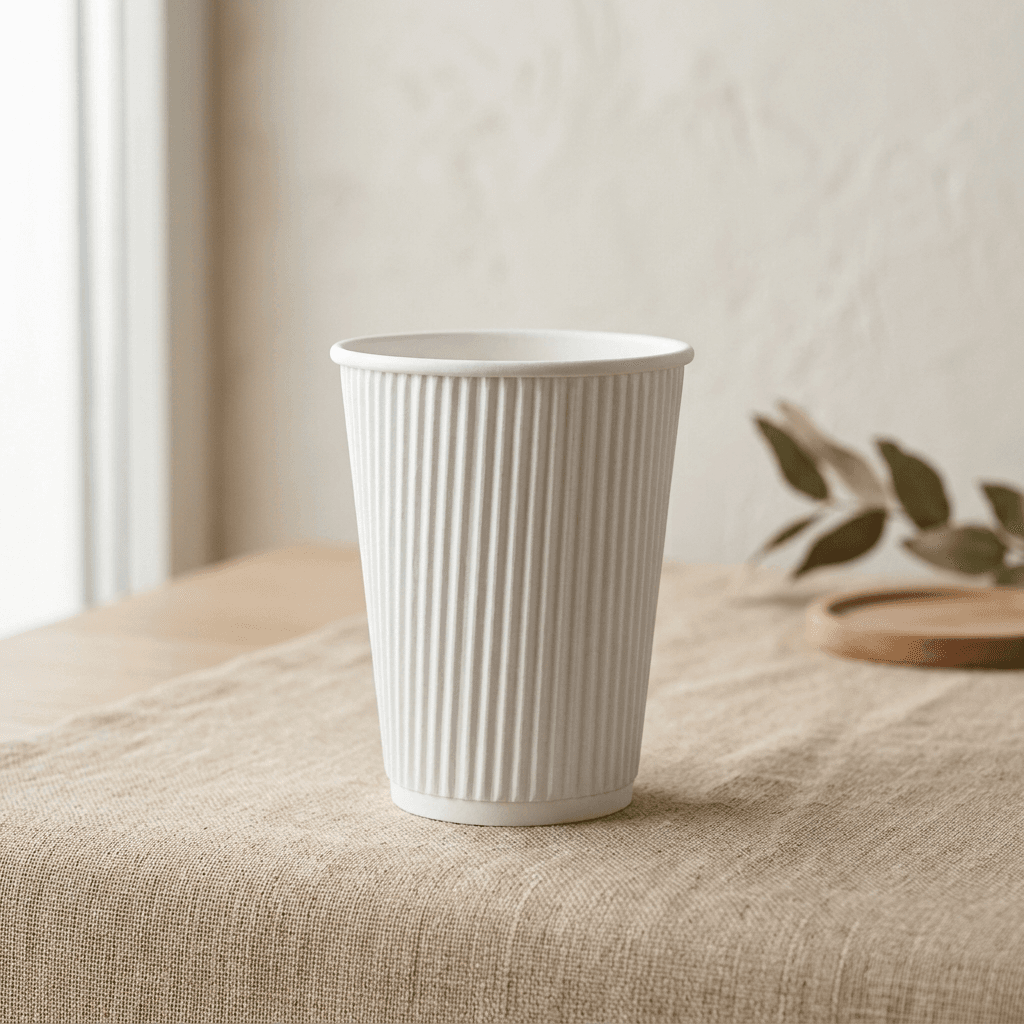
Paper cups
Explore coatings that maintain performance while enabling repulping or suitable organic recovery
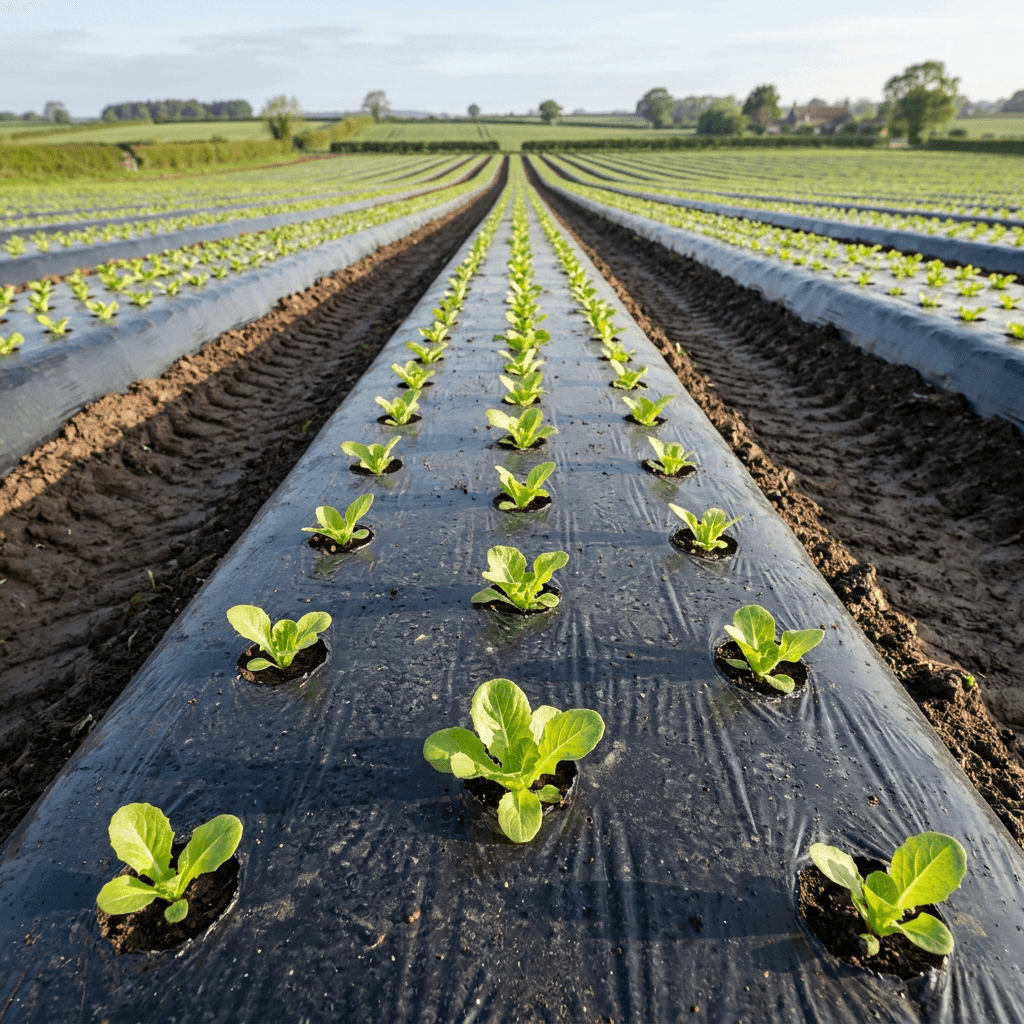
Agricultural films
Design for field performance and verified breakdown under relevant soil conditions
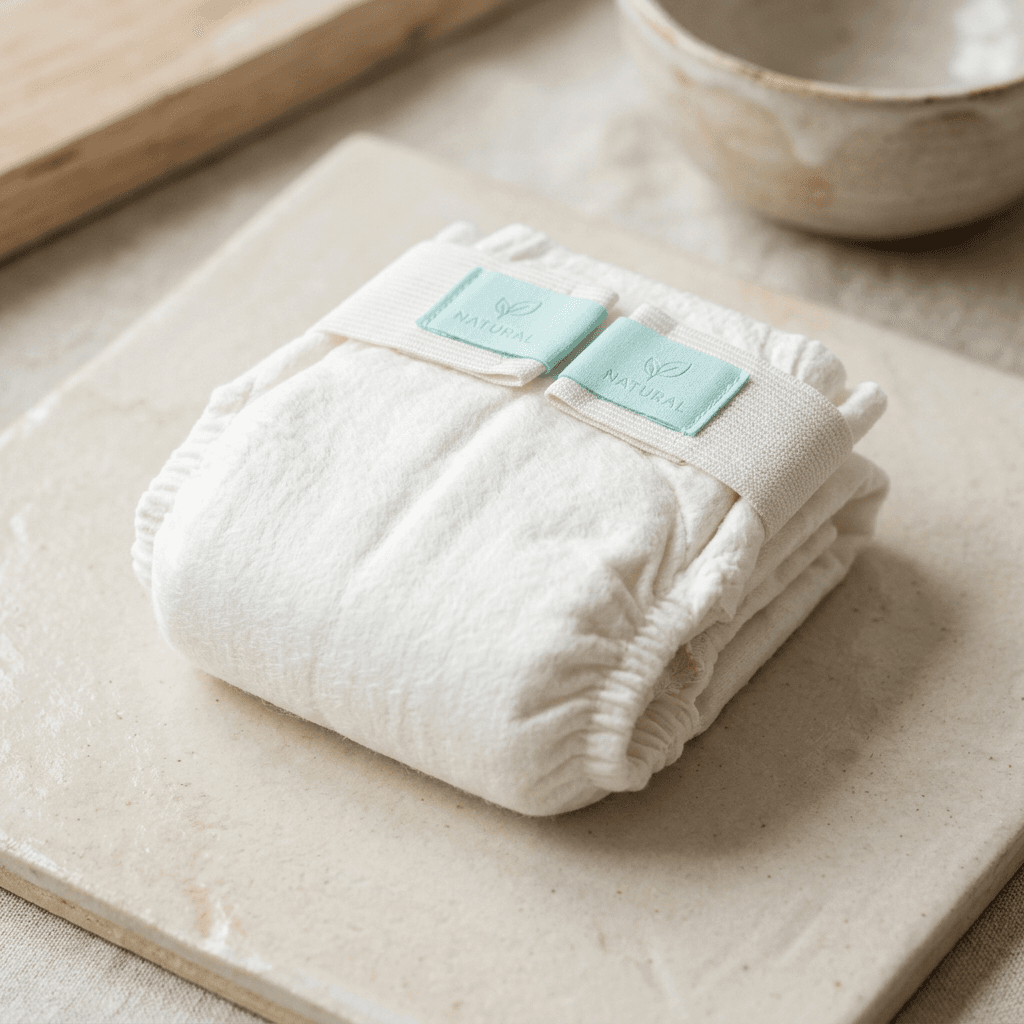
Diapers
Explore component materials that maintain hard-to-recover performance without compromising safety or function

Fishing nets & dolly-ropes
Explore alternatives for fishing gear components that shed fewer fibers and detach during use
Replace what should never persist
Reduce uses less. Reuse keeps products in use. Recycle recovers materials. Replace asks an earlier question: What should this product be made from?
Where persistent plastics are unnecessary, better materials can provide the required performance and more suitable end-of-life options. The 4th R complements the first three; it does not replace them.
Replace
Asks an earlier question: What should this product be made from? Encourage better material choices and innovative alternatives that never persist
Reduce
Avoid unnecessary material use and consumption
Reuse
Keep materials and products in use longer
Recycle
Recover and regenerate valuable resources
Think beyond the first three Rs
Get updates on materials innovation, practical applications, and system change for a more circular and cleaner future.